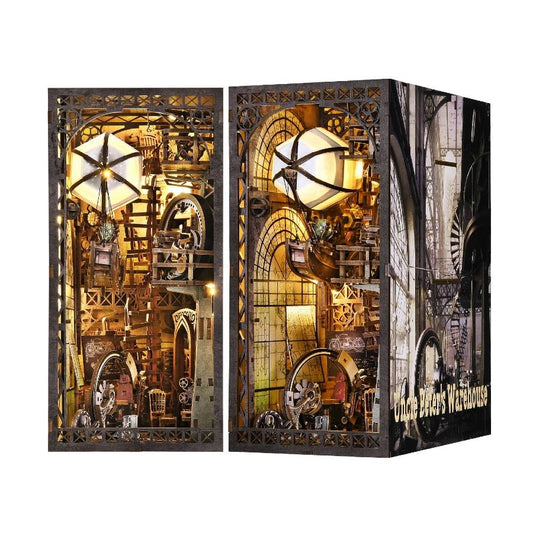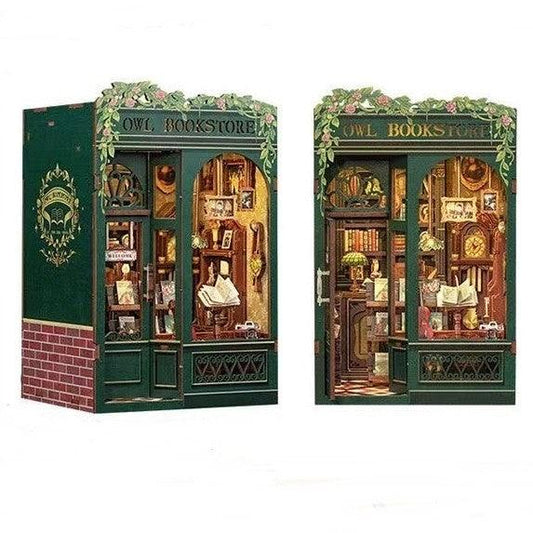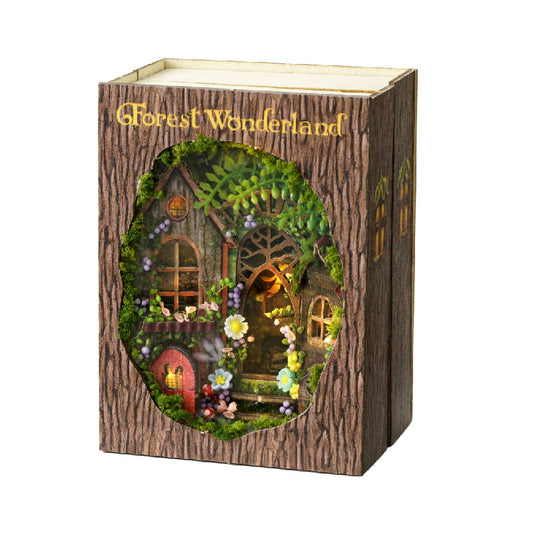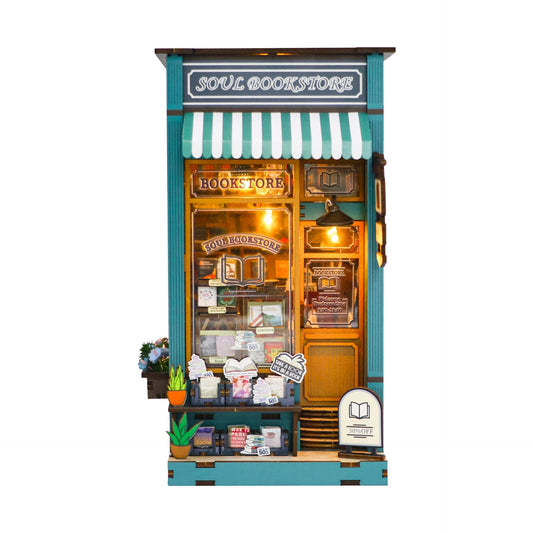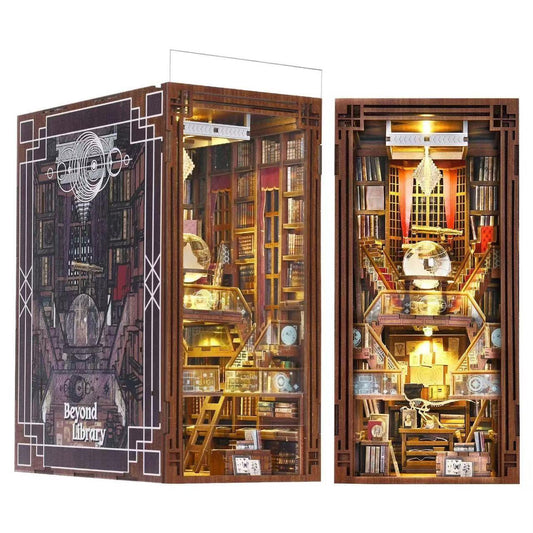

If you have ever looked at a glowing book nook kit and thought, “It’s beautiful, but can I really build this?” — you are not alone.
Many first-time builders feel a little nervous before starting their first DIY book nook kit. The tiny pieces, detailed rooms, miniature lights, and delicate decorations can look complicated at first glance.
But here is the comforting truth: many book nook kits are good for beginners, especially when you choose the right design and approach the project with patience.
A DIY book nook kit is not about finishing quickly or being perfect. It is about slowing down, following each step, and watching a tiny world come to life piece by piece.
So, Are Book Nook Kits Beginner-Friendly?
Yes, book nook kits can be beginner-friendly. Many kits are designed with pre-cut pieces, printed details, lighting parts, and step-by-step instructions, making them approachable even if you have never built a miniature project before.
That said, “beginner-friendly” does not always mean “instant.” A book nook kit still requires time, focus, and careful hands. It is more like a peaceful creative hobby than a quick craft activity.
If you enjoy small details, cozy scenes, and quiet hands-on projects, a book nook kit can be a wonderful first miniature craft.
What Makes a Book Nook Kit Good for Beginners?
Not all book nook kits feel the same. Some are simple and relaxing, while others are more detailed and time-consuming. For your first project, look for a kit that gives you confidence rather than pressure.
1. Clear Step-by-Step Instructions
A beginner-friendly kit should include clear assembly instructions. Good instructions help you understand the order of building, where each piece belongs, and how the lighting system fits into the scene.
Before starting, take a few minutes to look through the full instruction booklet. This helps you see the project as a whole before you begin placing tiny pieces.
2. A Comfortable Difficulty Level
Many DIY book nook kits include a difficulty level or estimated assembly time. For beginners, it is best to start with a simple or medium-level kit rather than the most complex design.
A detailed kit can still be enjoyable, but your first project should feel encouraging. Choose something that looks beautiful to you but does not feel overwhelming.
3. A Theme You Truly Love
The best beginner kit is not always the easiest one. It is the one you feel excited to build.
If you love peaceful gardens, choose a garden-inspired book nook. If you love bookstores, choose a library or reading room. If you love warm cafés or tiny shops, choose a cozy storefront scene.
When you connect emotionally with the theme, the building process feels more rewarding.
4. A Manageable Number of Pieces
Some miniature kits include hundreds of pieces. This can be exciting, but for beginners, a very large kit may feel intimidating.
Start with a design that feels manageable. Once you finish your first tiny world, you will feel more confident trying larger or more detailed kits later.
5. Lighting That Is Simple to Install
Warm LED lighting is one of the most magical parts of a book nook kit. Many beginner-friendly kits include light components that are designed to be installed during the assembly process.
If you are new to miniature kits, check the product description to see whether lighting is included and whether batteries need to be prepared separately.
Do You Need Craft Experience to Build a Book Nook Kit?
No, you do not need professional craft experience to build your first book nook kit.
Most first-time builders simply need:
- Patience
- A clean workspace
- Basic craft tools
- Good lighting
- A willingness to follow instructions slowly
You do not need to be an artist, woodworker, or model maker. The kit gives you the structure. Your role is to assemble, arrange, and bring the tiny scene to life.
What Tools Should Beginners Prepare?
Most book nook kits include the main materials, but it is helpful to prepare a few simple tools before you begin.
Useful beginner tools include:
- Craft glue or wood glue
- Small scissors
- Tweezers for tiny pieces
- A ruler
- A craft knife or precision cutter, if needed
- Small containers for sorting parts
- Batteries for the light feature, if required
Glue, pigment, and batteries may not always be included due to international shipping restrictions, so always check the product notes before starting.
You do not need expensive equipment. A small table, a tray for tiny parts, and a calm evening are enough to begin.
How Long Does a Beginner Book Nook Kit Take?
The time needed depends on the kit design, the number of pieces, and your personal pace.
Some beginner-friendly kits may take a few hours. More detailed book nook kits may take several evenings.
Try not to treat the assembly time as a race. Many people enjoy building a little at a time — one evening for the structure, another evening for furniture, another for tiny plants, books, lights, and finishing details.
The slow pace is part of the charm.
Common Beginner Worries
“What if I make a mistake?”
Small mistakes are normal, especially with your first DIY miniature kit. In many cases, tiny adjustments can be fixed with patience, glue, or repositioning.
Remember, your finished book nook does not need to be perfect. Handmade charm is part of what makes it special.
“What if I lose a tiny piece?”
This is why sorting your pieces before starting is so helpful. Use small bowls, trays, or containers to keep parts organized.
Work slowly and avoid opening too many small bags at once.
“What if the lighting looks difficult?”
Lighting may look intimidating at first, but many kits are designed with simple LED components. Read the lighting steps carefully before closing the structure, and test the lights before final assembly.
“What if I cannot finish it in one day?”
You do not need to finish your book nook in one day. In fact, many builders enjoy spreading the process across several quiet evenings.
A book nook kit is meant to be enjoyed slowly.
Beginner Tips for a Better First Build
Start with a Clean Table
A clear workspace helps you stay calm and organized. Miniature pieces are small, so avoid working in a cluttered area.
Read Before You Glue
Before gluing any piece permanently, check the instruction step and test the placement first.
Use Less Glue Than You Think
Miniature pieces usually need only a small amount of glue. Too much glue can make delicate details messy.
Sort Pieces by Stage
Instead of spreading everything out at once, group pieces by building stage: structure, furniture, decorations, lighting, and finishing details.
Take Breaks
If you feel tired or frustrated, pause. Miniature crafting is much more enjoyable when your hands and eyes are relaxed.
Enjoy the Imperfections
Your first book nook will carry your own handmade touch. That is what makes it meaningful.
What Kind of Book Nook Kit Should a Beginner Choose?
For your first DIY book nook kit, choose a theme that feels inviting and a design that looks manageable.
Beginner-friendly themes often include:
- Cozy bookstores and libraries
- Flower shops and garden scenes
- Warm cafés and bakery corners
- Peaceful Japanese-inspired gardens
- Small reading rooms or study scenes
These themes usually feel warm, familiar, and enjoyable to build because every small detail adds to the cozy atmosphere.
Book Nook Kits vs. Miniature House Kits for Beginners
If you are new to DIY miniature kits, you may wonder whether to choose a book nook kit or a miniature house kit first.
A book nook kit is usually designed to fit between books or sit neatly on a shelf. It often creates the feeling of looking into a hidden little world.
A miniature house kit may be more open and display-like, often shaped as a café, shop, room, garden house, or small building.
Both can be beginner-friendly. The best choice depends on where you want to display the finished piece and which theme makes you feel excited to begin.
Why Beginners Often Fall in Love with Book Nooks
A book nook kit gives you something that many modern hobbies do not: a chance to slow down and make something real with your hands.
Piece by piece, a flat set of materials becomes a glowing tiny world.
You see progress. You solve small problems. You place details with care. And at the end, you have a beautiful display piece that carries the memory of the time you spent creating it.
That is why book nook kits are not only good for beginners — they are often a beautiful beginning to a lifelong love of miniature crafting.
Before You Build Your First Tiny World
Are book nook kits good for complete beginners?
Yes. Many book nook kits are suitable for complete beginners, especially if you choose a design with clear instructions and a comfortable difficulty level. Patience is more important than experience.
What should I prepare before starting?
Prepare craft glue, tweezers, small scissors, a ruler, batteries if needed, and a clean workspace with good lighting. It is also helpful to sort small pieces before building.
How do I choose my first book nook kit?
Choose a theme you truly love, check the difficulty level, review the finished size, and make sure you understand what tools or batteries may need to be prepared separately.
Final Thoughts: Start Small, Build Slowly
Book nook kits can be a wonderful choice for beginners because they offer both structure and creativity. You do not need special skills to begin — only patience, curiosity, and a little time.
Your first kit may not be perfect, and it does not need to be. What matters is the quiet joy of building, the tiny details you bring together, and the warm glow that appears when your miniature world is finished.
Start with a tiny world you love. Build slowly. Let the process become part of your peaceful creative time.
Create a tiny world. Bring a little magic home.