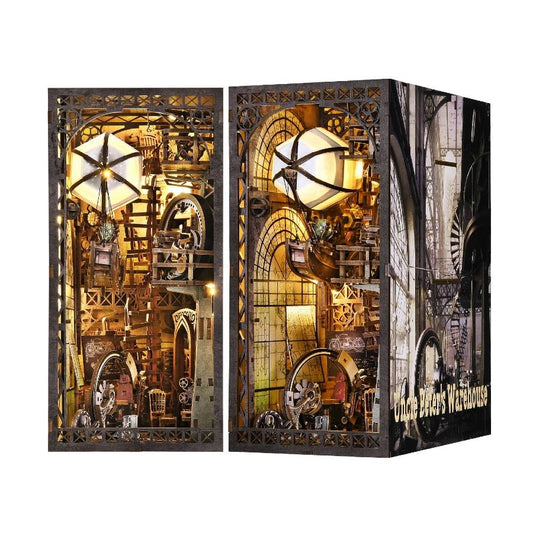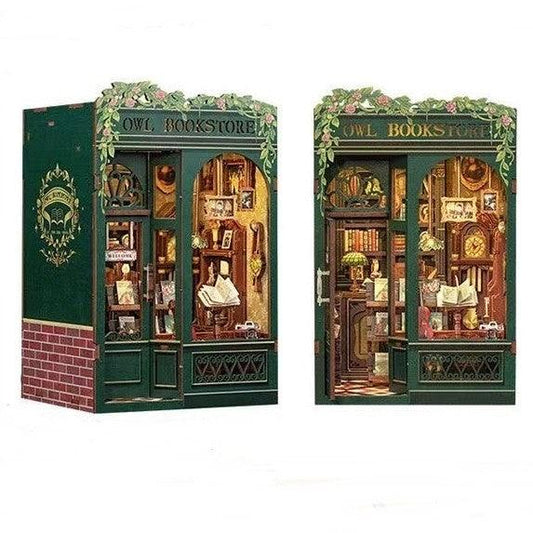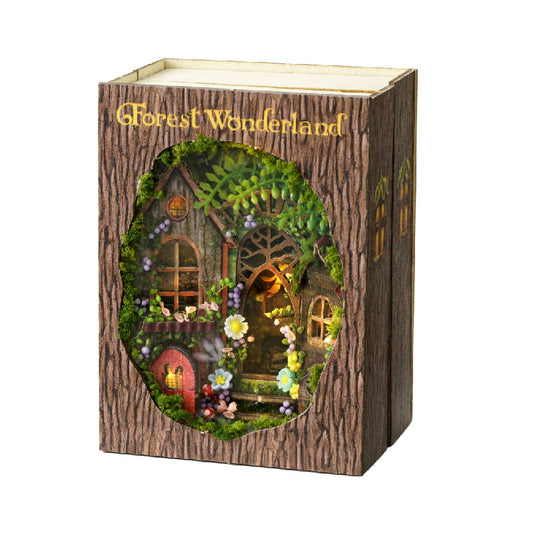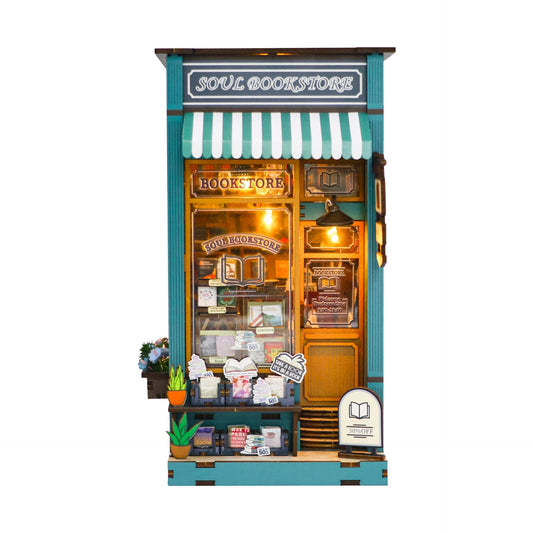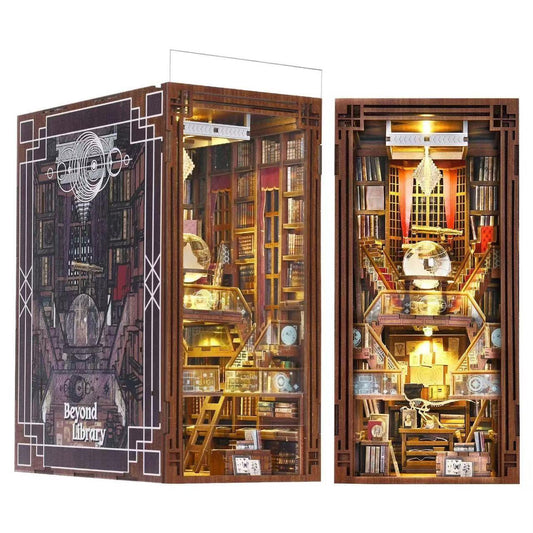

Building a DIY book nook kit is a relaxing way to create a tiny world with your own hands.
But before starting your first miniature project, many beginners ask the same question:
“Do I need special tools to build a book nook kit?”
The good news is:
You do not need a professional workshop or expensive equipment.
Most DIY book nook kits are designed to be approachable for beginners. With a few simple craft tools, a comfortable workspace, and a little patience, you can create a beautiful miniature scene that becomes a cozy decoration for your home.
In this guide, we’ll cover the essential tools you need for building a DIY book nook kit, helpful optional supplies, and simple tips to make your first miniature project smoother and more enjoyable.
Do DIY Book Nook Kits Come With Tools?
Before buying extra supplies, check what is included in your specific kit.
Most DIY book nook kits include:
- Pre-cut wooden pieces
- Miniature decorative elements
- Printed details
- LED lighting components
- Assembly instructions
Some kits may also include basic auxiliary tools, but the included items vary depending on the design.
For international shipping reasons, certain supplies such as glue, batteries, or pigments may not always be included. Always check the product details before starting your project.
The goal is not to collect a large number of tools.
The goal is to create a comfortable building experience.
Essential Tools for Your First DIY Book Nook Kit
You can complete most beginner-friendly book nook kits with a small collection of basic craft supplies.
Here are the tools we recommend.
1. Craft Glue
The most important tool for miniature building
Glue is one of the first supplies most builders prepare before starting a DIY book nook.
It helps secure:
- Wooden panels
- Tiny furniture
- Decorative accessories
- Paper details
- Miniature plants and ornaments
For miniature projects, choose a glue that allows some adjustment time before fully drying.
This gives you a chance to carefully position tiny pieces.
Beginner tip:
Avoid applying too much glue.
Tiny details usually need only a small amount to stay in place.
2. Tweezers
Your best helper for tiny details
Tweezers are one of the most useful tools for miniature crafts.
They make it easier to handle:
- Small paper pieces
- Tiny books
- Decorative items
- Miniature flowers
- Small accessories
When pieces become smaller than your fingertips can comfortably hold, tweezers make the process much easier.
A pair of fine-tip tweezers is especially helpful for detailed book nook scenes.
3. Small Scissors
For precise cutting and adjustments
A small pair of sharp scissors can help with:
- Cutting paper decorations
- Adjusting printed materials
- Trimming small fabric pieces
- Preparing decorative details
Choose scissors that are comfortable to control.
Large household scissors are usually too bulky for miniature work.
4. Precision Craft Knife
Helpful for advanced details
A craft knife is not always necessary, but it can be useful for more experienced builders.
It can help with:
- Fine paper trimming
- Small adjustments
- Cleaning edges
- Customizing details
For beginners, use caution and always work on a suitable cutting surface.
5. Ruler
Small measurements, better results
A ruler may seem simple, but it helps maintain accuracy.
It is useful for:
- Checking alignment
- Measuring small pieces
- Keeping walls and floors straight
- Adjusting decorative placement
In miniature building, small differences can affect the final appearance.
6. Small Containers or Sorting Trays
The secret to a stress-free build
One of the easiest ways to improve your DIY experience is organizing your pieces before starting.
Small containers help separate:
- Wooden pieces
- Tiny accessories
- Hardware parts
- Lighting components
This prevents one of the most common beginner frustrations:
Losing tiny pieces.
A simple craft tray can make your building process much more enjoyable.
7. Good Lighting
See every tiny detail clearly
Miniature building requires attention to detail.
A comfortable workspace with good lighting helps you:
- Read instructions easily
- Identify small pieces
- Place decorations accurately
- Reduce eye strain
A desk lamp with warm, comfortable light is a great addition to your crafting corner.
8. Batteries for LED Lighting
Bring your tiny world to life
Many book nook kits include LED lighting components, but batteries are often purchased separately.
Before finishing your project, check:
- Battery type required
- Battery placement
- Light switch location
The first time you turn on your miniature world is often the most magical moment of the entire process.
Optional Tools That Make Building Easier
The tools above are enough for most beginners.
However, experienced miniature builders may enjoy adding a few extra supplies.
Mini File or Sandpaper
Useful for:
- Smoothing wooden edges
- Adjusting small parts
- Creating cleaner finishes
Craft Mat
A cutting mat protects your workspace and provides a safer surface for detailed work.
Magnifying Glass or Magnifying Lamp
Helpful for:
- Very small decorative elements
- Complex miniature scenes
- Long building sessions
Storage Boxes
If you enjoy miniature crafts, a small organizer can help you store:
- Extra materials
- Spare pieces
- Tools
- Future project supplies
Do You Need All These Tools Before Starting?
No.
One of the best things about DIY book nook kits is that you can start simply.
For your first project, we recommend preparing:
Beginner Starter Tool Set:
✓ Craft glue
✓ Tweezers
✓ Small scissors
✓ Ruler
✓ Small containers
✓ Good lighting
✓ Batteries (if needed)
That is enough to begin creating your first tiny world.
Common Beginner Tool Mistakes
Buying Too Many Tools
Many beginners believe they need a complete miniature workshop.
You don’t.
Start with the basics and add tools naturally as you discover your crafting style.
Using the Wrong Glue
Some strong adhesives may dry too quickly or damage delicate materials.
Choose a glue suitable for crafts and miniature work.
Working Without Organization
A messy workspace can make miniature building feel stressful.
Take a few minutes to sort your pieces before starting.
Your future self will thank you.
Ignoring Workspace Comfort
Miniature crafting is meant to be enjoyable.
A comfortable chair, good lighting, and a calm environment can make the experience much more relaxing.
Creating Your Perfect DIY Corner
A beautiful miniature project often begins with a peaceful building space.
You don’t need a large room.
A small table near your favorite reading corner can become your creative escape.
Add:
- A warm desk lamp
- A cup of tea or coffee
- Your favorite music
- A small tray for pieces
- A comfortable chair
The process itself becomes part of the experience.
Tools vs. Creativity: What Matters Most?
While the right tools make building easier, creativity and patience are what truly bring a miniature world to life.
A book nook is not created by tools alone.
It is created through:
- Careful attention
- Small decisions
- Quiet moments
- Personal touches
Every tiny book placed on a shelf and every little flower arranged by hand becomes part of your story.
Final Thoughts: Start Small, Build Slowly, Enjoy the Process
A DIY book nook kit does not require expensive equipment or professional skills.
With a few simple tools and a little patience, you can transform small pieces into a beautiful miniature world.
The most important tool is not something you buy.
It is the curiosity and creativity you bring to the project.
Take your time.
Enjoy each detail.
And let your tiny world slowly come to life.
Ready to Start Your First Miniature Project?
Explore DIYSLAND’s collection of cozy DIY book nook kits and miniature house kits — designed for peaceful creative time, thoughtful gifts, and beautiful home displays.
Create a tiny world. Bring a little magic home.